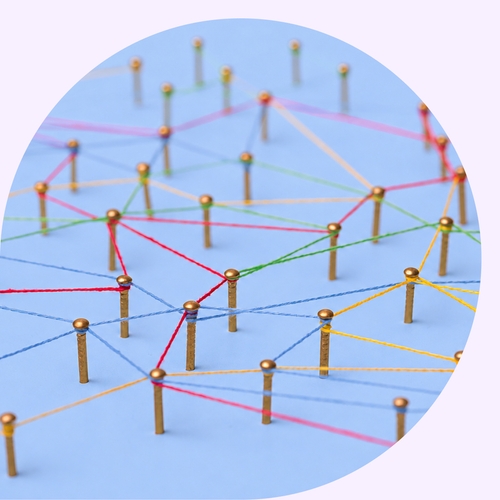
There’s more to a project than just the people doing the work. Clients, executives, vendors, and regulators may all have a say in what gets approved, changed, or delivered. And there are other groups who aren’t involved in approvals or decisions but are still directly impacted by the outcome. Taken all together, these are your “stakeholders.” And knowing who they are and what they expect makes it easier to address concerns early and keep your projects moving toward completion.
This article covers how to classify and identify stakeholders, prioritize their competing interests, and communicate with different stakeholder groups throughout a project’s lifecycle.
What is a stakeholder?
A stakeholder is any individual, group, or organization that can affect or be affected by a project, decision, or organization’s activities. Depending on the situation, stakeholders may contribute resources, approve work, influence priorities, experience the consequences of a decision, or simply purchase or use the final product. Or they may represent groups that are interested in the project and its outcome. Stakeholders can enter the picture at nearly every level of a project.
Expectations are easier to address before decisions become expensive or difficult to change.
Expectations are easier to address before decisions become expensive or difficult to change. As such, identifying stakeholders early is a core part of strong project management best practices.
Types of stakeholders
Stakeholders are commonly classified as internal or external, depending on whether they have a role within your organization or a relationship to it from the outside. They can also be classified as primary or secondary, based on how directly a project affects them.
| Type | Description | Role | Examples |
| Internal stakeholders | People within your organization who are involved in or invested in the work | Completing project work, controlling resources, setting priorities, approving changes, overseeing results | Team members, project managers, executives, department heads, board members |
| External stakeholders | People or groups outside your organization who are affected by or can influence the work | Receiving deliverables, supplying goods or services, providing oversight, influencing project activity | Clients, customers, suppliers, regulators, partners, community groups |
| Primary stakeholders | People or groups directly and significantly affected by the outcome | Experiencing direct changes to work, responsibilities, finances, services, or day-to-day activities | Project teams, end users, direct customers |
| Secondary stakeholders | People or groups with an indirect interest or connection | Monitoring developments, representing related interests, shaping perceptions, experiencing indirect effects | Media, industry associations, local communities |
Stakeholder examples
Stakeholder classifications often overlap. Someone can be both an internal and primary stakeholder, for example, while an external stakeholder may be primary or secondary depending on how directly the project affects them. Here’s how those distinctions can look across different projects:
| Project | Internal | External | Primary | Secondary |
| Product launch | Product team, engineering, marketing, customer support, leadership | Customers, vendors, media, industry groups | Project contributors, customers directly using the product | Media, industry groups with an indirect interest in the launch |
| Companywide process change | Employees affected by the new process, project leaders, department heads, executives | Software vendors, customers, partners | Employees whose work changes directly, project leaders responsible for implementation | Customers, partners, or other groups indirectly affected by changes to processes or policies |
| Infrastructure or construction project | Project managers, finance teams, legal teams, leadership | Contractors, government agencies, property owners, nearby communities, industry groups | Project contributors, contractors, property owners, community members directly affected by the work | Industry associations or other groups with an indirect interest in the project |
The mix of stakeholders will change from one project to the next. The important part is identifying everyone who can shape the work, everyone who depends on the outcome, and anyone who may be directly affected by what the project delivers.
Why stakeholders matter
Stakeholders shape the project, provide needed expertise or approvals, and they experience the outcome. Involving the right stakeholders at the right points can help you:
- Spot problems earlier. People closer to a customer need, regulation, operational process, or project dependency may identify issues before they become costly to address.
- Set clearer expectations. Discussing goals and constraints early reduces the chance that stakeholders reach the end of a project with different ideas about what success should look like.
- Plan for approvals. Identifying who needs to review budgets, scope changes, or deliverables gives you time to account for those steps in the project schedule.
- Make better-informed choices. Stakeholders can contribute expertise, context, and perspectives that the project team may not have on its own.
Research from the Project Management Institute found that projects with clear performance measurement systems are twice as likely to be perceived as successful. Defining success criteria early gives stakeholders and project teams a shared reference for evaluating the finished work.
Managing stakeholder expectations and conflicts
Stakeholders will not always want the same thing. Leadership may prefer a smaller budget while the project team needs additional time or resources. A client may request work beyond the agreed scope, or a change that benefits one group may create additional costs or responsibilities for another.
When priorities conflict, weigh project requirements, contractual and legal obligations, available resources, and the consequences for affected groups, making sure the process is fair and transparent. Document significant decisions and the reasoning behind them so stakeholders can see how competing considerations were evaluated. Strong internal communications best practices can provide a consistent structure for those discussions.
How to identify your stakeholders
When starting a project, it can be beneficial to perform a stakeholder analysis. Start with the people and groups closest to the project, then work outward. Look for anyone who:
- Completes or oversees the work
- Approves deliverables, budgets, or changes
- Provides funding, resources, or expertise
- Receives or uses what the project produces
- Has authority that could affect the project’s direction
- Could raise concerns that change the scope or timeline
- Will experience the project’s results, even without participating directly
Once you have that initial list, look at how each stakeholder relates to the project. Consider how much influence they have, what they need or expect, when their input is useful, and how closely they should be involved as the work progresses. Those distinctions help you bring the right people in at the right points.
Power-interest grid
A power-interest grid makes it possible to transform a long stakeholder list into a practical communication plan. By comparing each stakeholder’s level of influence with their level of interest, you can determine who needs frequent involvement, who should be consulted at key points, and who can be kept informed with less frequent updates.
| Low interest | High interest | |
| High power | Keep satisfied: Share concise updates around major developments, and involve them when their authority or expertise is needed. | Manage closely: Consult regularly, involve them in key decisions, and maintain frequent communication throughout the project. |
| Low power | Monitor: Share relevant updates when needed without overloading them with project details. | Keep informed: Provide regular updates and appropriate opportunities to offer feedback or raise concerns. |
The grid helps you prioritize attention, but it should not become a ranking of whose interests deserve consideration. A group with little formal authority may still be directly affected by the project. When deciding how to involve stakeholders, consider not just how much influence they have, but also how strongly the project could affect their work, responsibilities, costs, access, or day-to-day experience.
Revisiting your stakeholder list
A stakeholder list can change as a project develops. A group with little interest during planning may become closely involved during implementation, while new stakeholders can emerge as the scope changes. Revisit your list at major project phases rather than treating stakeholder identification as a one-time exercise. An internal communication strategy can document how you plan to keep internal groups informed as those needs change.
How to communicate with different stakeholders
Communication needs vary across stakeholder groups. Project contributors may need frequent access to requirements, dependencies, and changes, while senior leaders may only need concise updates around milestones, budgets, and approvals. External stakeholders may also need clearer boundaries around what can be shared, who owns the relationship, and how often updates should go out.
A simple way to organize stakeholder communication is by level of participation: inform, consult, or collaborate.
Inform stakeholders who need visibility
Some stakeholders need to know how the project is progressing without taking part in routine choices. Milestone notices, project summaries, and status updates can give them that visibility on a predictable schedule. Asynchronous updates let them review that information when they need it, without adding another meeting or interrupting the project team for a status check. Using Slack, teams can add canvases as tabs in channels or direct messages, giving stakeholders a shared place to reference project briefs, meeting notes, or status information.
Consult stakeholders whose input shapes the work
Some stakeholders need to review proposals, provide expertise, or approve specific parts of the project. Give them enough context to evaluate the issue, make clear what feedback you need, and set a deadline for responding.
The format should match the stakeholder and the type of input required. A department leader might review a proposal asynchronously, while a board may require formal materials and a scheduled discussion. Slack’s guide on how to run a board meeting covers that setting in more detail.
Collaborate with active project contributors
Stakeholders who actively contribute to the project usually need closer contact. Dedicated channels can keep discussions tied to the work, while threads help separate individual topics without losing context. When written discussion becomes cumbersome, Slack huddles give contributors a way to talk through an issue using audio, video, or screen sharing.
Slack Connect lets people from different organizations work together in the same channel or direct message, empowering them with the tools to collaborate externally without opening access to the rest of your workspace.
Set clear communication expectations
Across all three approaches, define what information stakeholders receive, where they can find it, how often they should expect updates, and when you need something from them. Once you understand what is a stakeholder and what role each one plays, the communication plan can reflect those actual needs instead of sending the same information to everyone.
Keep stakeholder communication clear from start to finish
Identifying your stakeholders is the starting point. Keeping them informed at the right times helps surface concerns earlier, clarify expectations, and reduce the risk of late changes from people who should have been involved sooner.
Slack gives project teams several ways to keep that communication connected to the work:
- Use Channels to organize project conversations, updates, and files in one place so stakeholders can follow the work relevant to them.
- Create lists to track tasks, owners, deadlines, and project progress alongside the conversations where the work is happening.
- Use canvases to keep project briefs, plans, meeting notes, and other reference information accessible to the stakeholders who need them.
- Build automations with Workflow Builder to collect updates, route requests, send reminders, and handle other recurring project processes.
Together, these capabilities give teams more options for sharing context, tracking progress, and involving stakeholders without relying on another meeting for every update.
For more ways to organize project communication, responsibilities, and progress, learn more about project management best practices.
FAQs about stakeholders
 훌륭해요!
훌륭해요!
피드백을 주셔서 감사합니다.
알겠습니다!
피드백을 주셔서 감사합니다.
죄송합니다. 문제가 발생했습니다. 나중에 다시 시도해주세요.