本当の仕事とは、ドキュメントやプルリクエスト、最終ビルドそのものではありません。そこに至るまでの会話にこそ、仕事の本質があります。意見や反論を出し合い、まだ形になっていなかったひらめきを同僚が素晴らしいアイデアへと昇華させてくれる、あのプロセス。最終的なブリーフやスライドやコードブロックは、みんなで深く考えたことの証である――。Slack が始まって以来、私たちはそう信じてきました。仕事はチャンネルの中でオープンに行われるべきであり、扉を閉め切った部屋にこもって一人で作業し、「完成」して初めて明らかにするようなものではない、と。
これまでの AI エージェントは、必ずしもそういった仕事の本質の一部になっていませんでした。あるメンバーが個人のタブを開き、エージェントにプロンプトを与えて、それで終わり、といったような、個人とエージェントとの間の孤立した作業にとどまっていたのです。あとからそれを知るチームメンバーには、意見を言ったり、前提の誤りを指摘したり、自分だけが知っている背景情報を加えたりする機会がありません。「シングルプレイヤー」によるゲームにとどまり、拡張性がないのです。反論もアイデアの衝突もなく、ただ同じ思考を速く増やすだけ……。Slack が何年もかけて改善に取り組んできたことが、今またエージェントの世界で繰り返されようとしているのです。
Slack Code へようこそ
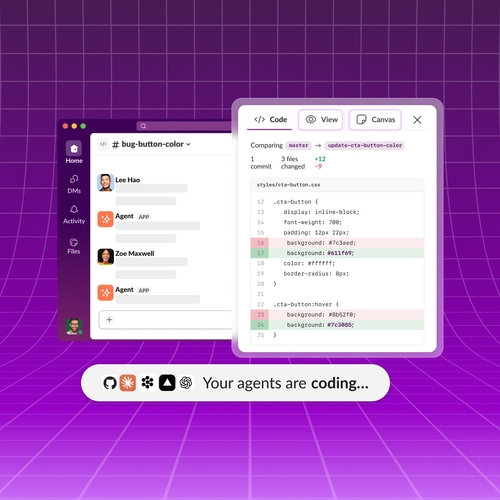
Slack Code は、ソフトウェア開発を個人のタブから解放し、オープンな場へと連れ出します。作業の内容に合わせて形成される「コードチャンネル」と呼ばれる専用スペースによって、チームと AI エージェントがともに計画し、コードを書き、レビューできるようになります。複雑なプロジェクトにおいて、ユーザーがコーディング用のエージェントをメンションすると、チャンネルが立ち上がり、チームメンバーが招集されます。エージェントは、コードの差分、計画ドキュメント、ライブ HTML プレビューなど、必要なものを揃えてくれます。作業が完了すると、チャンネルは自動的にアーカイブされ、将来の参照用に Slack 上に監査ログのような形で保存されます。これこそが Slack Code が目指す変革です。つまり、今まさに開発しているものと、チームがすでに行っている会話を、1つの場所で結びつけるのです。
まずエンジニアリング分野から始めたのは、それが私たちにとって最も身近で、日々力を注いでいる仕事だからです。本日より、Anthropic、Cognition、GitHub、OpenAI、Vercel とともに、このサービスの提供を開始します。今後さらに多くのパートナーが加わる予定です。
Slack は、GitHub が掲げる広範な戦略の一部です。そのビジョンは、人間が方向性を定め、エージェントがその取り組みを完結させるというもの。開発者がどこで働いていても、それが実現できなければなりません。だからこそ、コードチャンネルでの会話の流れの中に Copilot を組み込んで、チームが共有された意図をリリース可能なソフトウェアへと変換できるようにしています。
Slack Code を開発した理由
コードチャンネルは、何もないところから生まれたわけではありません。自分たちのチームにまさに必要だったから作ったのです。Slack の社内のエンジニアたちがコーディング用のエージェントを積極的に活用するようになった時、ひとつの壁にぶつかりました。それは、複数のターンが求められるような複雑なタスクを通常のチャンネルでエージェントに実行させると、情報が雑然としてしまう、という課題です。かといって、開発者が個人のブラウザに引きこもってしまえば、Slack の強みである「全員がオープンに働く環境」が失われてしまいます。
私たちは「必要なのは、孤立したタブやターミナルがさらに増えることではない」と気がつきました。そうではなく、エージェントにもチームの一員としての「居場所」が必要なのです。つまり、プロジェクトが複雑になったときに拡張でき、適切なタイミングで適切なメンバーを引き込み、作業が完了したら静かに退くような専用スペースが必要でした。それがコードチャンネルです。チームメンバーとエージェントが同じ場所で作業できるようになったことで、開発は人間的で透明性が高く、純粋に楽しいものになりました。その効果は数字にも表れています。あるエンジニアは端的にこう語ります。「以前は、バグや細かい UI の問題は報告されても放置されがちでした。今では、作業しているその場所でサイドに会話を立ち上げて、問題に対処し、すぐに開発に戻れます」
コードチャンネルの 70% 以上で、1 日以内に立ち上げからクローズまでが完了しています。アイデアの創出からプルリクエストのマージまで、エンジニアはレビューに関する情報を集める必要が減り、より早く作業を再開でき、リリースもスピーディーになります。AI の真の価値、それは孤立した個人の作業スピードが上がることではなく、エージェントとチームが会話の流れの中で協力できることにあります。エージェントがチームと並走しながらリアルタイムで開発を行い、人間のメンバーが作業の進行をその場で確認できるという体験は、これまでになかったものです。孤立した作業から、チームで行うマルチプレイヤー型の協働へ。そう、私たちがこれまでに行ってきた最高の仕事がまさにそうであったように。
会話とコーディングの両方に適した設計
スレッドは、簡単な質問に答えたり、情報を共有したりするには最適です。しかし、エージェントと連携して修正箇所をテストしたり、リリース前にバグを見つけたりするには、より広い作業スペースが必要です。Slack Code は、コーディングが行われるその場所で、エージェントとエンジニアにそのスペースを提供します。
- プロジェクトごとの専用スペース。 仕事の流れの中でエージェントをメンションすると、それをきっかけに、その特定のタスクを中心としたコードチャンネルが作成されます。このチャンネルは、開始した担当者だけでなく、チーム全体に公開されます。作業が完了すると自動的にアーカイブされるため、情報が無秩序に広がることなく、すべての履歴が検索可能な状態で保存されます。
- コードをリアルタイムで確認。 コードの差分やライブプレビューが、長文のテキストではなく、コードチャンネル内に直接表示されます。リリース前にバグを発見する、エージェントが処理を先に進める前に制限をかける、タスクの途中で一時停止して処理を変更する、といったことに役立ちます。
- エンタープライズレベルの信頼性を、追加設定なしで。 Slack Code は Slack の既存の権限と管理者コントロールを継承するため、IT 部門が新たな設定や監査を行う必要はありません。重要な変更はチャンネル内でそのまま人間の担当者による承認フローにすばやく回すことができ、レビューの信頼性を保ちながら自動化によるスピードアップを実現できます。
パートナーとの連携で、優れたコーディング手法を Slack で
Slack Code は、 AI パートナー各社との協力のもとでリリースされます。各パートナーは、この新しい働き方、つまりチームがすでに慣れ親しんでいるコラボレーションの流れに、自然に溶け込むエージェントを構築しています。
- Claude(Anthropic):ユーザーが依頼すると、Claude Tag が作業の拠点となるコードチャンネルを立ち上げます。これにより、内容がスレッドに埋もれたり、他のチャットに混在したりすることがありません。元スレッドの要約機能により、誰もがひと目で進捗を確認でき、付け加えたいことがあればいつでも飛び込んで対応できます。Claude Tag と協力して変更をリリースし、作業が完了すると、チャンネルはアーカイブされます。
- Cognition:Cognition が開発した Devin は、まるで人間の同僚のように振る舞います。必要なときだけ応答し、それ以外は静かにしているため、新たなチャンネルを増やすことなく、チームがすでに行っているコミュニケーションの流れに自然に馴染みます。会話の中でバグを指摘するだけで、Devin がそれを修正し、動作を示すプレビューとともに報告してくれます。チケットも、キューも必要なく、伝達過程で文脈が失われることもありません。これまでの「次回スプリントで対応」案件が、当日修正案件に変わります。
- GitHub:GitHub は、より多くの貢献者が参加できるようなインテグレーションを構築。コードチャンネル内で、技術的な知識がないメンバーが、平易な言葉で問題を説明し、エージェントに修正案を作成してもらい、エンジニアをタグ付けしてレビューを依頼する——といった作業をすべて会話を離れることなく行えます。これによりコードレビューが、時間のかかる孤立した作業から、チーム全員がリアルタイムで追跡して意見を出し合えるプロセスへと変わります。
- Vercel:コードチャンネル内において、Vercel のエージェントは、変更がリリースされた瞬間にライブプレビューを開始し、共有可能なリンクをスレッドに投稿。これにより、チームはユーザーに届く前に実際の結果を確認できます。「開発者の時間を割くほどではない」として後回しにされていたバグや未処理のタスクも、すぐに修正できるようになります。
今日からこうした方法で開発を進めることができます。Slack で Claude、Devin、GitHub Copilot、ChatGPT by OpenAI、Vercel をメンションするだけで、コードチャンネルがリアルタイムで立ち上がります。ただ、これはほんの始まりに過ぎません。まずソフトウェアエンジニアリング分野から開始しましたが、パートナーとの連携により、このコラボレーションモデルはマーケティングキャンペーン、法的契約書レビュー、IT オンボーディングなど、ビジネスのあらゆる領域へと展開されていく予定です。
Slack Code のその先へ
Slack Code は、私たちが描く大きなビジョンの一部です。コードチャンネルだけでなく、DM やスレッド、日々の会話など、エージェントが Slack 内のあらゆる日常業務に関わるようになる時代に向けて、私たちはユーザーが状況を確認し、作業を管理して、仕事をスムーズに前に進められる場所を築き続けています。新しい「エージェントとツール」タブもその一歩です。これはスレッド、DM、コードチャンネルにまたがって、エージェントとの会話を一元管理できるホームです。これにより、エージェントとのやり取りが、隣に座っている同僚との会話と同じくらい自然になります。さらに、エージェントの推論プロセスの合理化や、エージェントがまだ処理中かどうかをわかりやすく確認できる仕組みなど、細部にまでこだわった機能を届けていきます。
Slack で「マルチプレイヤー」型の働き方へ
冒頭でも述べたように、仕事の本質は、そこに至るまでの会話の中にあります。「オープンに協力して取り組むことで、仕事はより良く、より速く、より創造的になる」。私たちは長年にわたり、その信念のもとに Slack を築いてきました。
エージェントがより深く業務に浸透していくなか、私たちは人間が中心であり続けるための仕組みの構築に力を注いでいます。私たちの目標は、エージェントを Slack 上でスムーズに動かすだけでなく、AI 時代におけるチームの働き方の未来を形づくることです。目指すのは「マルチプレイヤー」型の働き方。それはコラボレーションがより豊かになり、エージェントがツールではなく同僚になって、仕事がもっと楽しくなる未来です。
この先、エージェントが業務をさらに変革していくでしょう。私たちは、その仕事がこれまでどおり、エージェントを含めた全員がオープンに肩を並べて協力できるものになるよう、取り組みを続けていきます。
提供状況と次のステップ
Slack Code は本日より、Claude(Anthropic)、Devin(Cognition)、GitHub(Copilot)、Vercel のインテグレーションをご利用のチームで使用可能です。OpenAI(ChatGPT)も近日中に対応予定です。プロジェクトチャンネルでエージェントをメンションすると、コードチャンネルが作成されます。発表の詳細はこちらからご覧いただけます。
 助かります!
ご意見ありがとうございました!
了解です!
ご意見ありがとうございました!
うーん、システムがなにか不具合を起こしてるみたいです。後でもう一度お試しください。